
Data Pipelines (ETL/ELT)
13 achievements

Photo: Lsspng / Pixabay 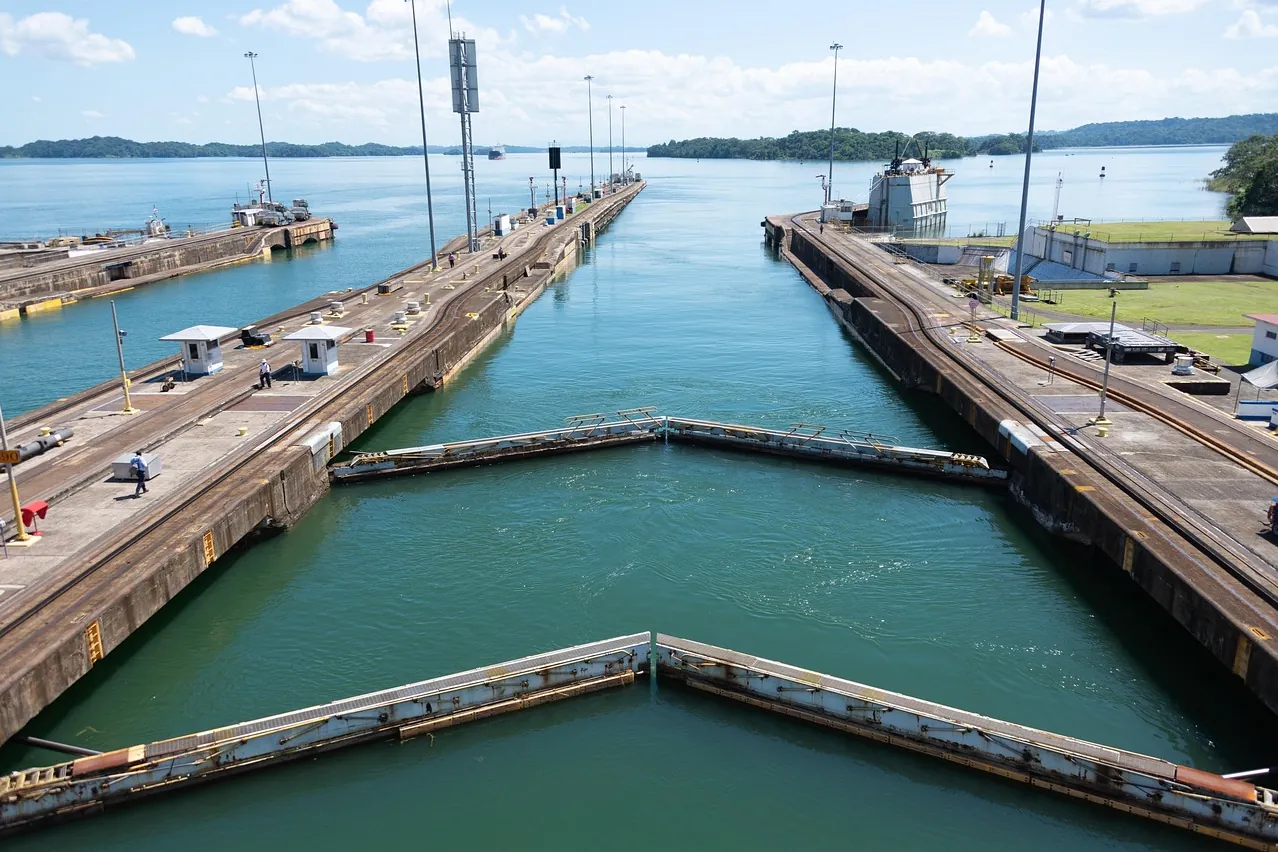
Photo: spalla67 / Pixabay
-
One infrastructure plan for 14 departments
Designed a comprehensive infrastructure framework for a research institute impacting 14 departments, featuring flexible modules, unified data pipelines, and structured support strategies for long‑term adoption.
-
A month of meter readings in 180 milliseconds
Engineered hourly electricity consumption aggregation pipeline in Python / SQL / Bash + Jq, achieving 180ms for 30‑day datasets across heterogeneous JSONL sources.
-
Made a geographical data pipeline 50x faster
Accelerated geographical data pipeline performance by 50x by improving SQL programming and data modeling across PostgreSQL, MS SQL, and Google Cloud BigQuery.
-
Improved GIS map performance 10x on PostgreSQL
Improved geographical map application performance by 10x through strategic database transition from MSSQL to PostgreSQL, including the data cutover, optimizing processing and data security.
-
Resolved 1,000 issues in geographical data
Resolved 1,000 issues in geographical data and time‑series data, using GDAL, ArcGIS, PostGIS, Mapbox, QGIS, SQL (PL/pgSQL, Transact‑SQL), Bash, ensuring high‑quality big data processing.
-
Designed and ran 6 ETL/ELT pipelines
Designed, implemented, and administered 6 ETL/ELT pipelines, utilizing Google BigQuery, MSSQL, PostgreSQL, Shell scripting, PL/pgSQL, and Transact‑SQL, integrating data for efficient Python API processing.
-
Automated GIS SaaS deployment with GitHub Actions
Automated GIS SaaS application deployment, data processing, and reporting system using GitHub Actions CI/CD, Python, Bash, and SQL.
-
Automated delivery of 20 GIS data pipelines
Automated delivery of 20 GIS data pipelines and app data ETL processes, streamlining infrastructure automation and reporting.
-
Saved 4,000 hours with GitHub and GitLab CI/CD
Streamlined data analysis and software development processes, saving 4,000 hours by introducing GitHub, GitLab, Bash, and Python CI/CD practices.
-
Automated data processing in Python and PL/pgSQL
Automated data processing tasks using Shell scripting, PL/pgSQL, Python, and Transact‑SQL, increasing productivity and efficiency.
-
Engineered 600 PL/pgSQL ETL/ELT pipelines
Engineered 600 PL/pgSQL‑based ETL/ELT pipelines to streamline complex data processing workflows across multiple PostgreSQL development and production environments.
-
A mapping product, carried end to end
Architected, developed, implemented, supported infrastructure, data processing, and the map application for 2 years non‑stop without any weekends, holidays, or vacations, 10–14 hours a day.
-
Generated 495 pages from a SQLite export
Generated 495 achievement pages across three languages from a read‑only SQLite export, with the page address authored as data so that correcting a sentence no longer moved the page and broke the link.
If this is the work you need done, the next step is a conversation.
Tell us the problem and we will tell you honestly whether we are the right people.
This work is part of what we offer as Data Pipeline Development (ETL/ELT), GIS & Geospatial Solutions, DevOps & CI/CD Automation, AI Data Readiness, Data Governance & Quality, Database Performance Tuning, Data Analytics & BI Dashboards and Data Warehouse Design.
 Building something that needs this? Get in touch.